Dossier
Invisible Stories
In their photographic journey across the Balkans, Jaka Teršek and Ivan Tomašević explore a region shaped by memory, ambiguity and projection. Their images reveal fragments of everyday life but also point to the stories that remain outside the frame.
Jaka and Ivan, what inspired you to embark on this photographic journey across the Balkans?
The project began with a shared curiosity about the Balkans that was both familiar and somehow distant to us. Although we grew up in former Yugoslav countries (Jaka in Slovenia and Ivan in Croatia), much of what we thought we knew about the Balkans came from inherited narratives, stereotypes, and fragmented memories. Studying and living abroad created a certain distance and made us more aware of how unstable those assumptions were. This distance gave us the opportunity to return to the region with a different perspective, and the journey became a way of testing our assumptions against direct experience.
Why did you call the series “The Balkan Frontier”?
The title refers less to a geographical border and more to a mental and cultural frontier. The Balkans have long been imagined as a place between East and West, between Europe and its perceived “other”. The frontier became a metaphor for uncertainty, for the shifting boundaries between belonging and exclusion, myth and reality, past and present. For now, however, it remains a working title.
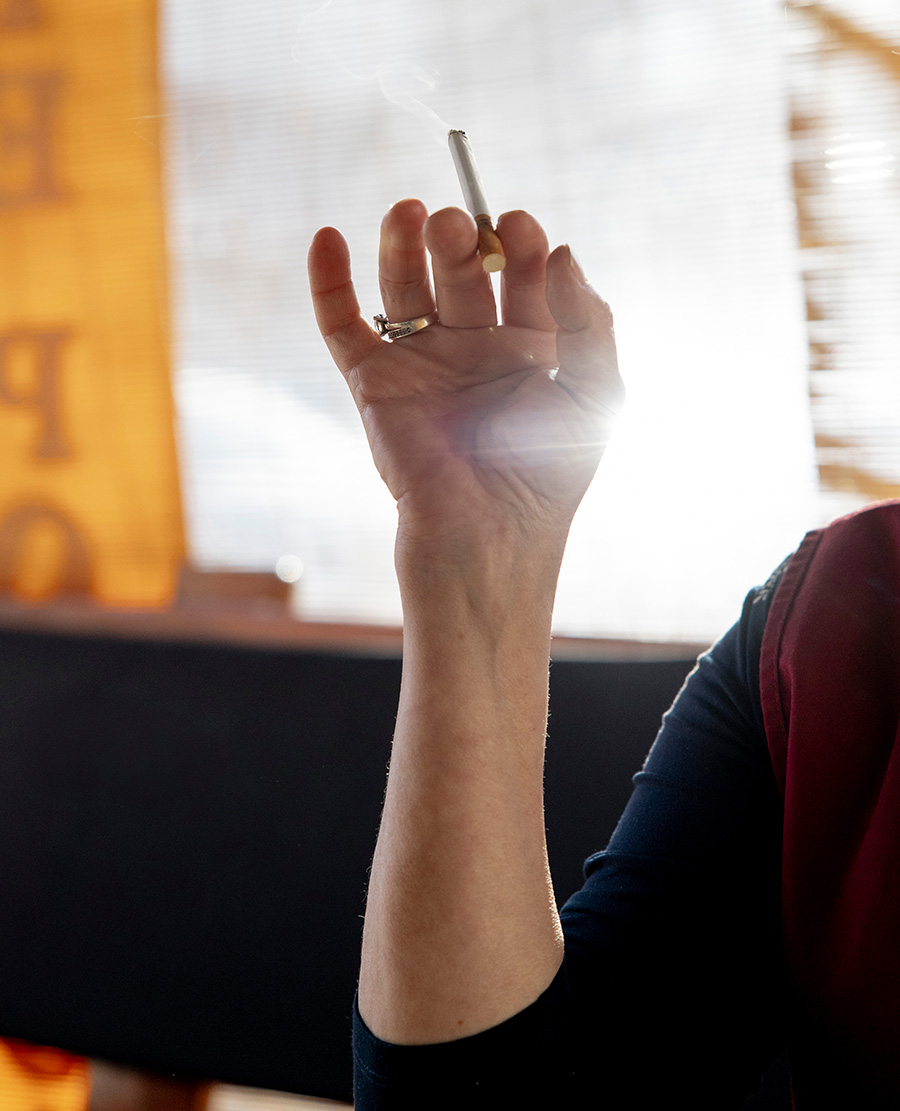
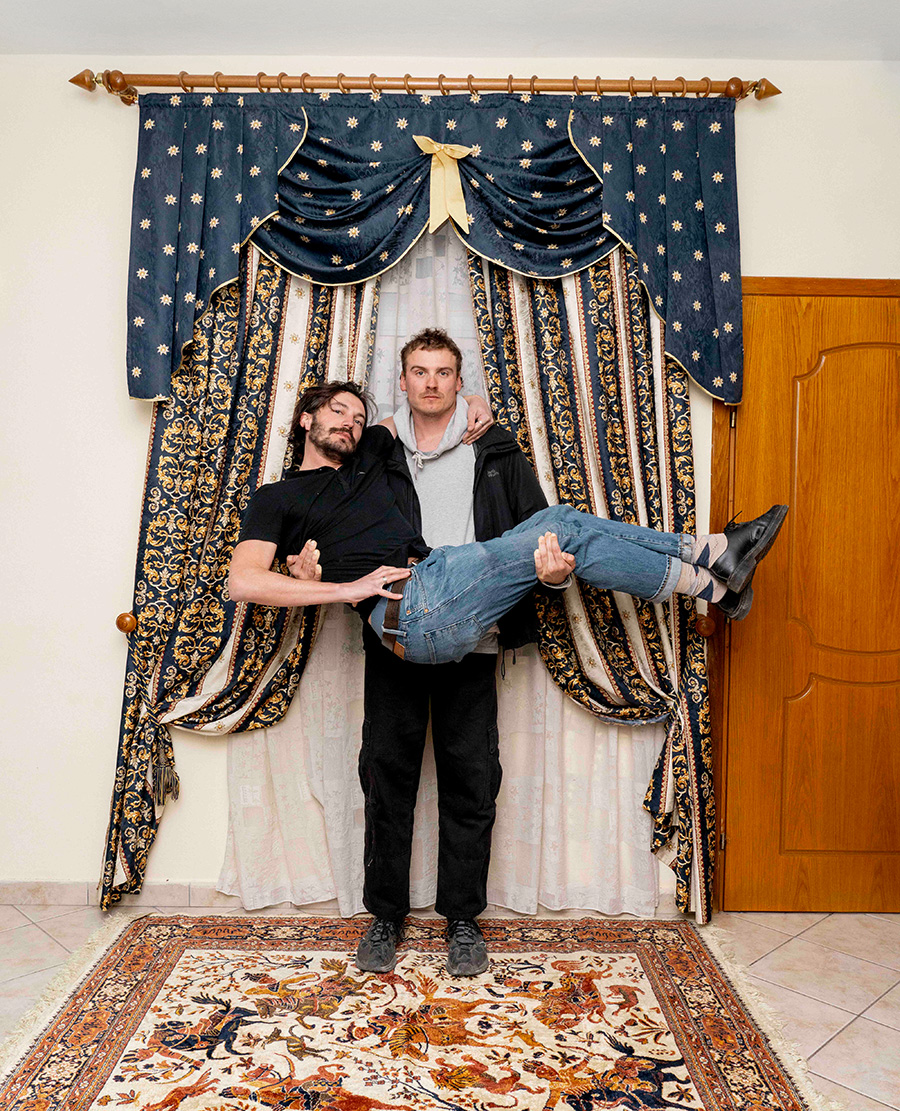
The following selection of images from the photo series “The Balkan Frontier” illustrates the printed edition of the science magazine “universitas”. © Jaka Teršek & Ivan Tomašević
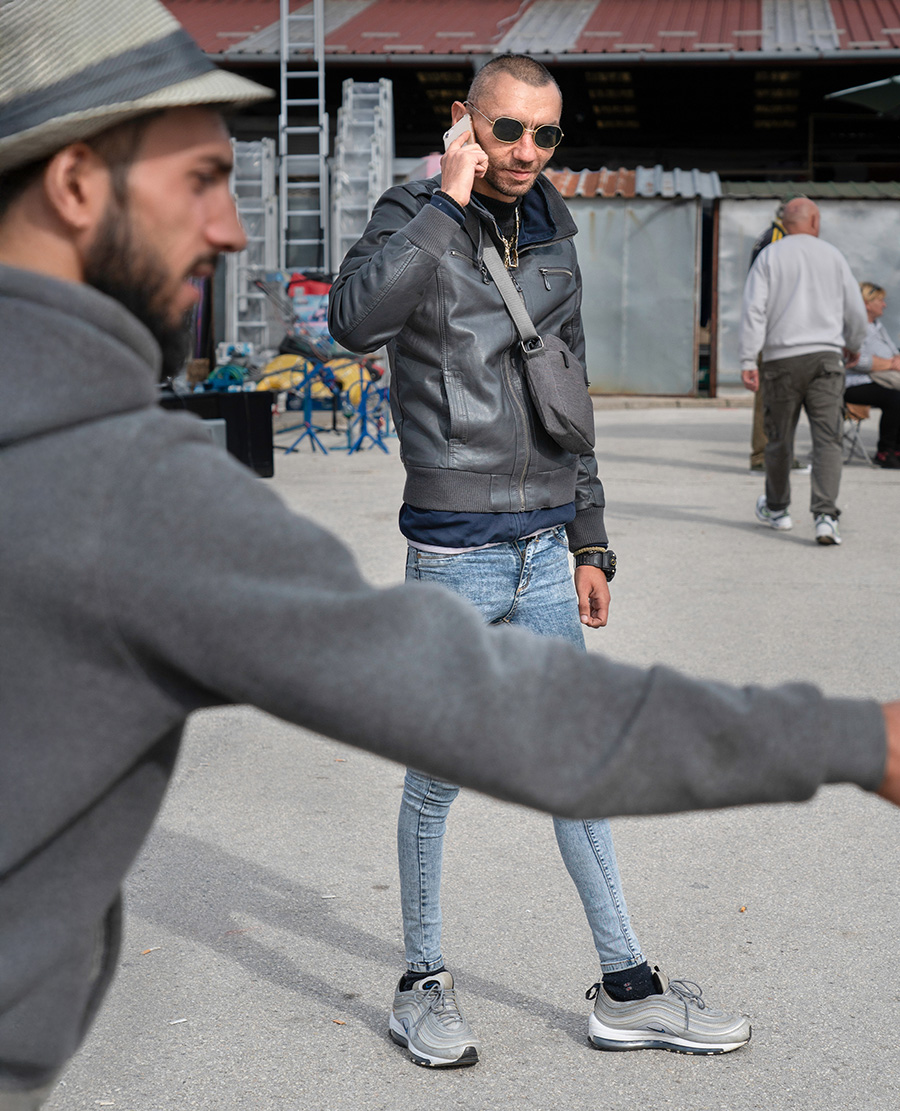
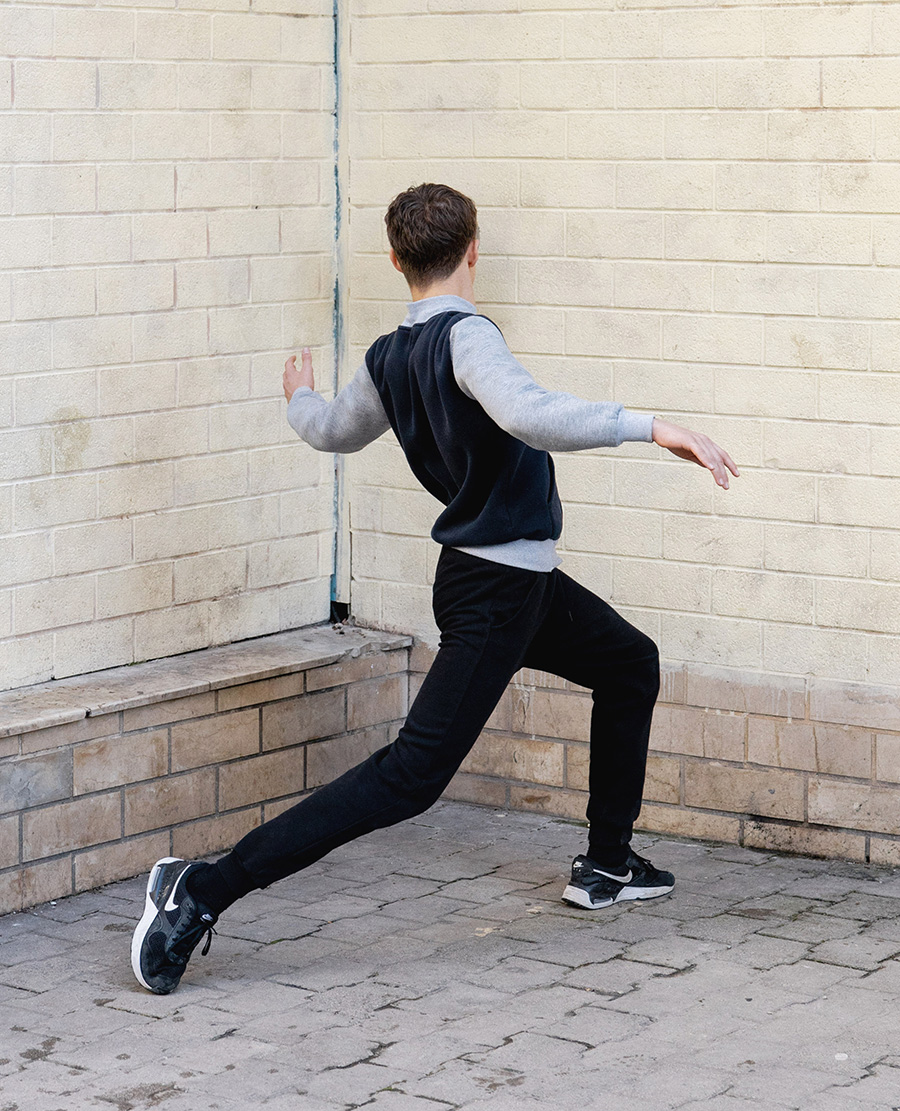
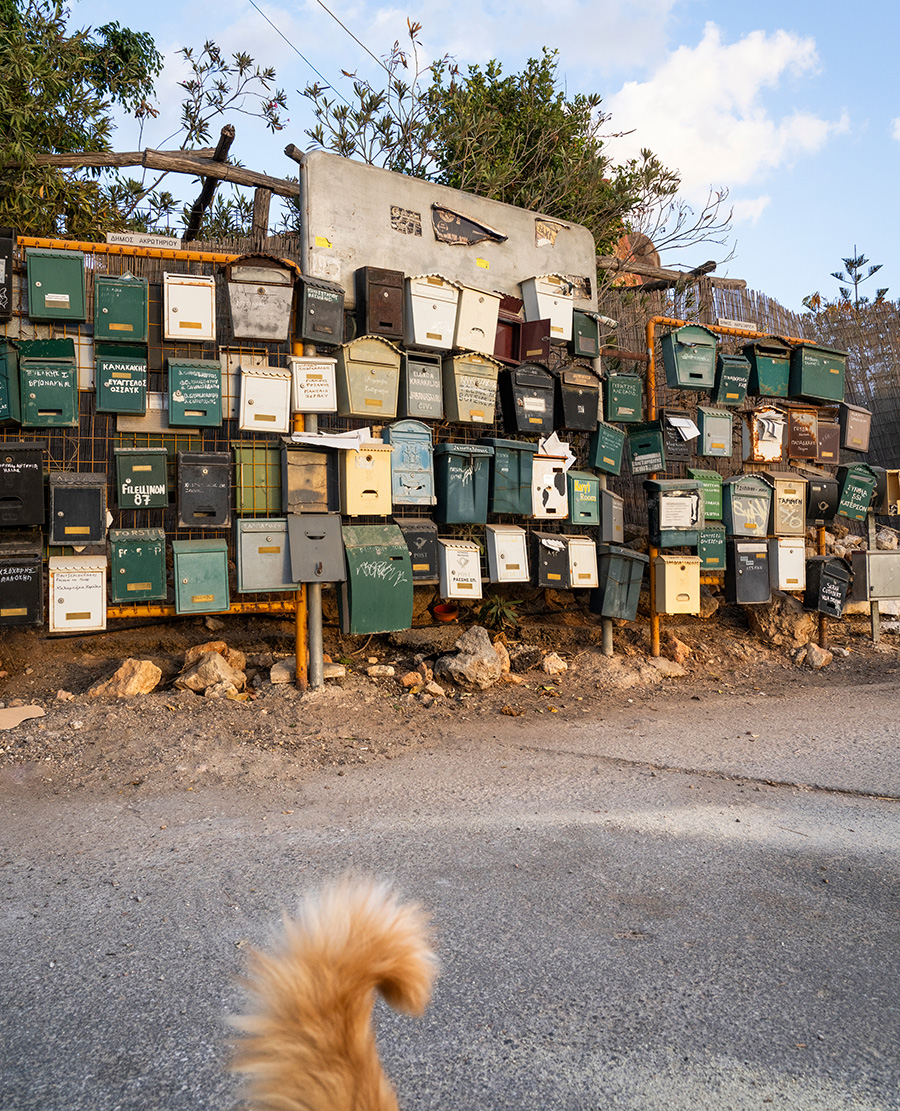
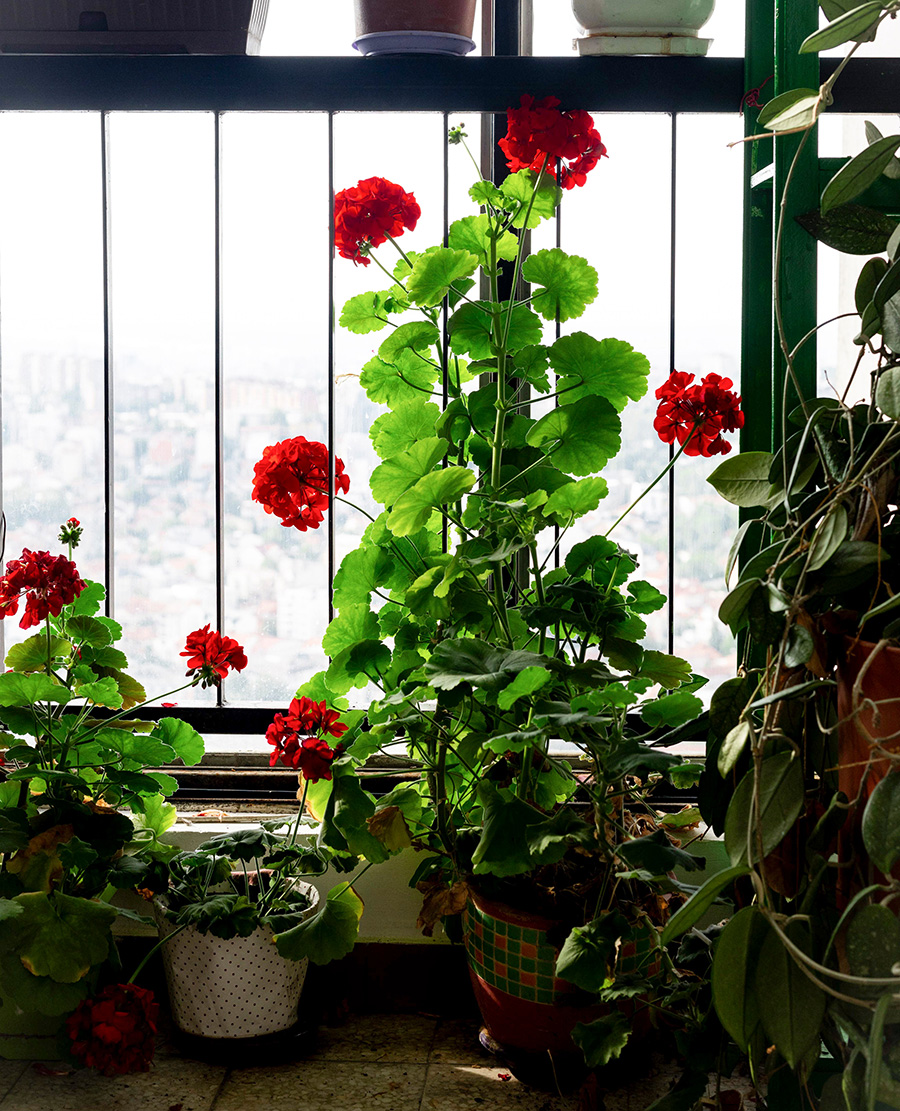
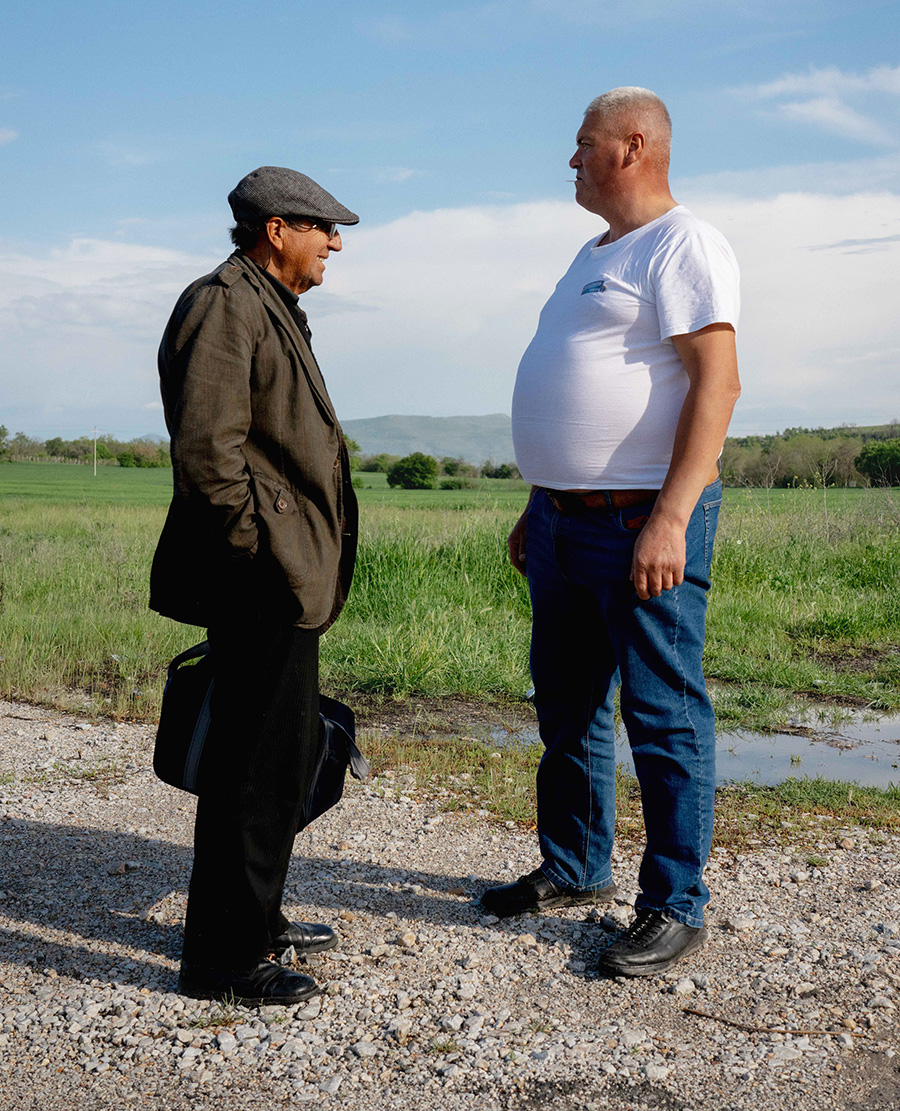
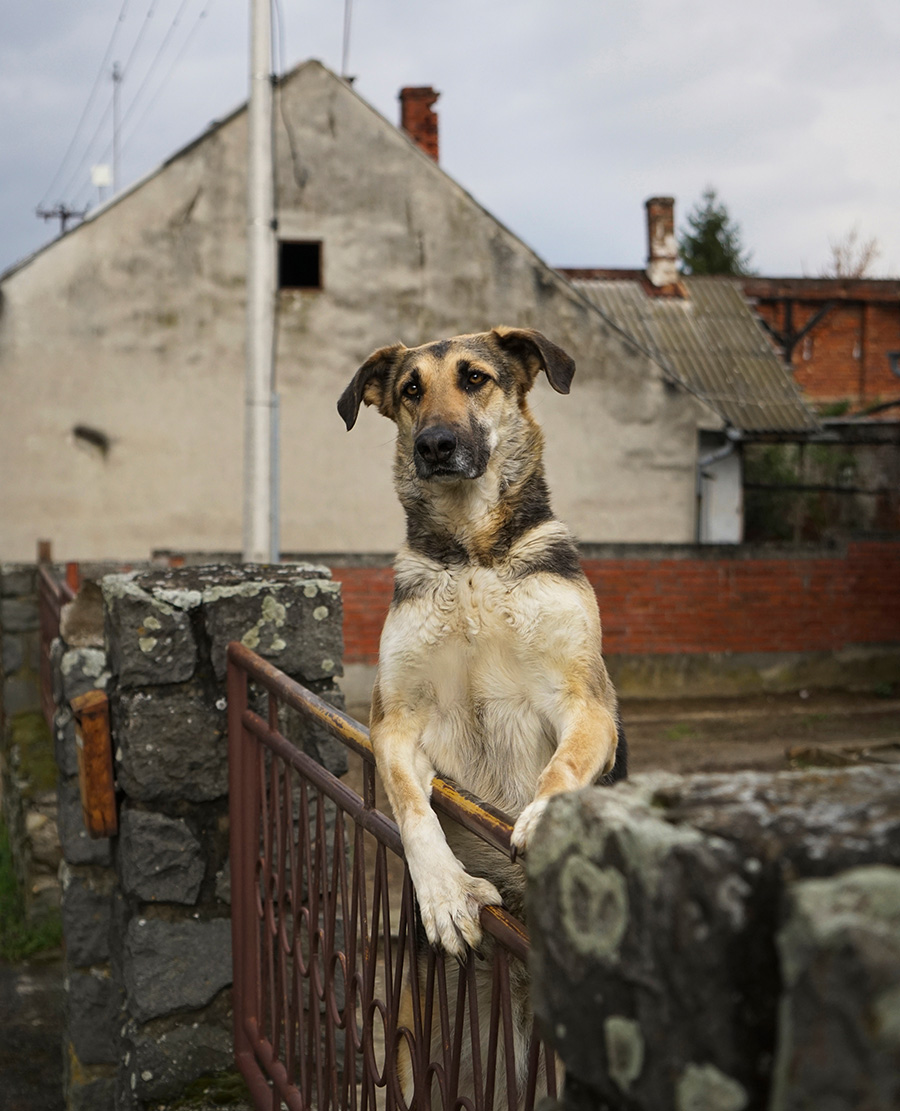
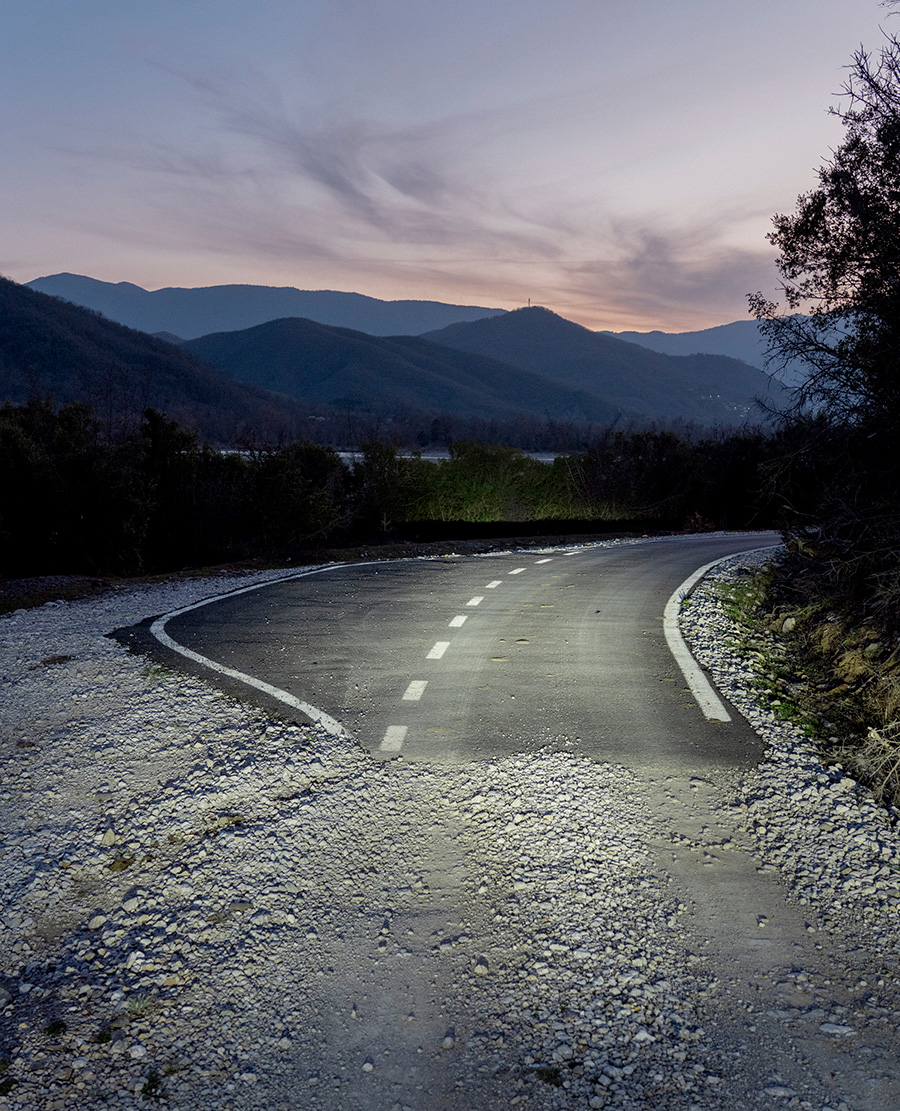
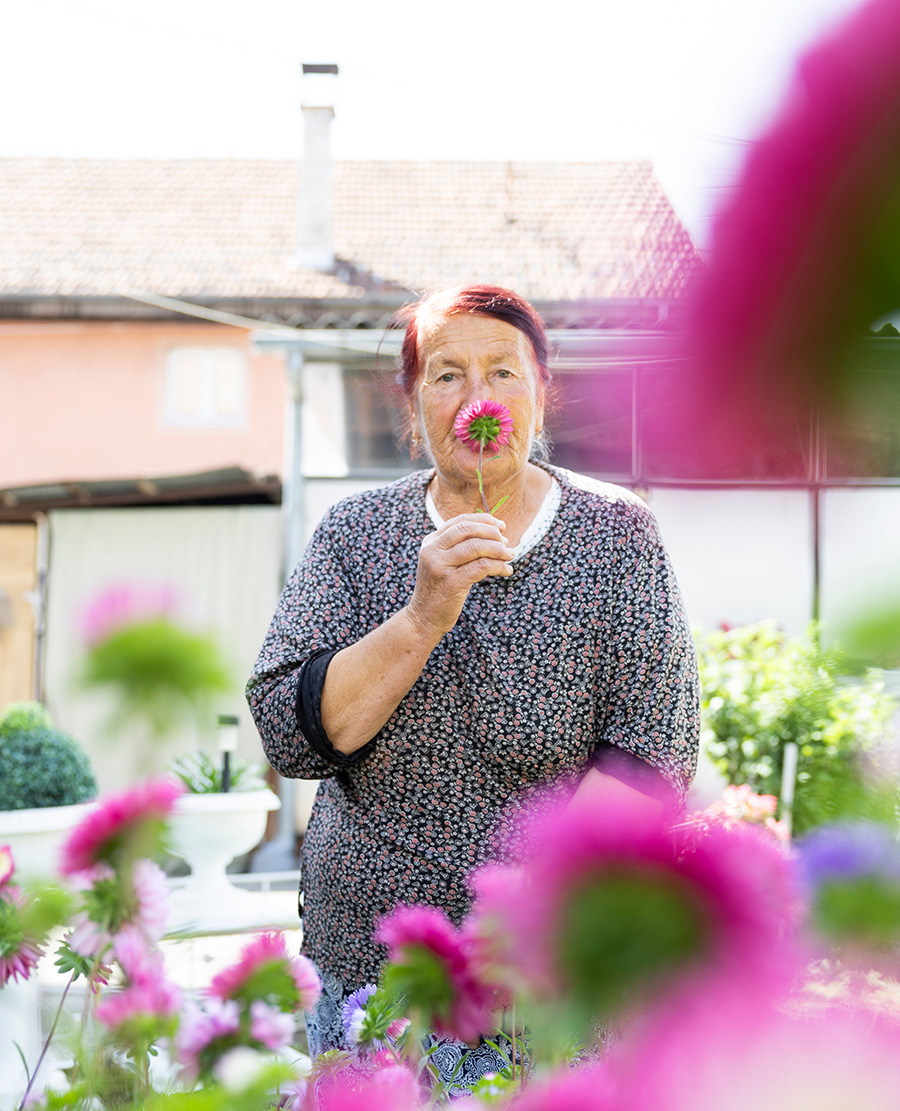
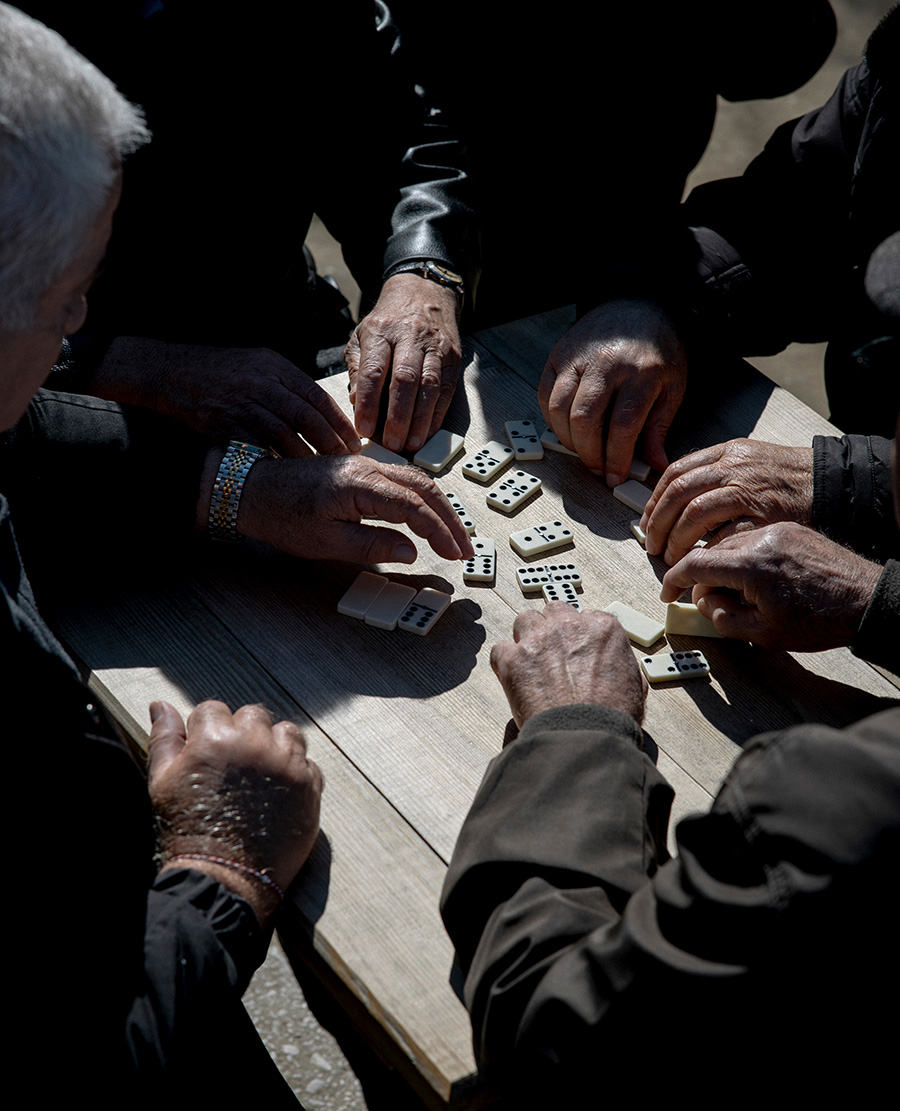
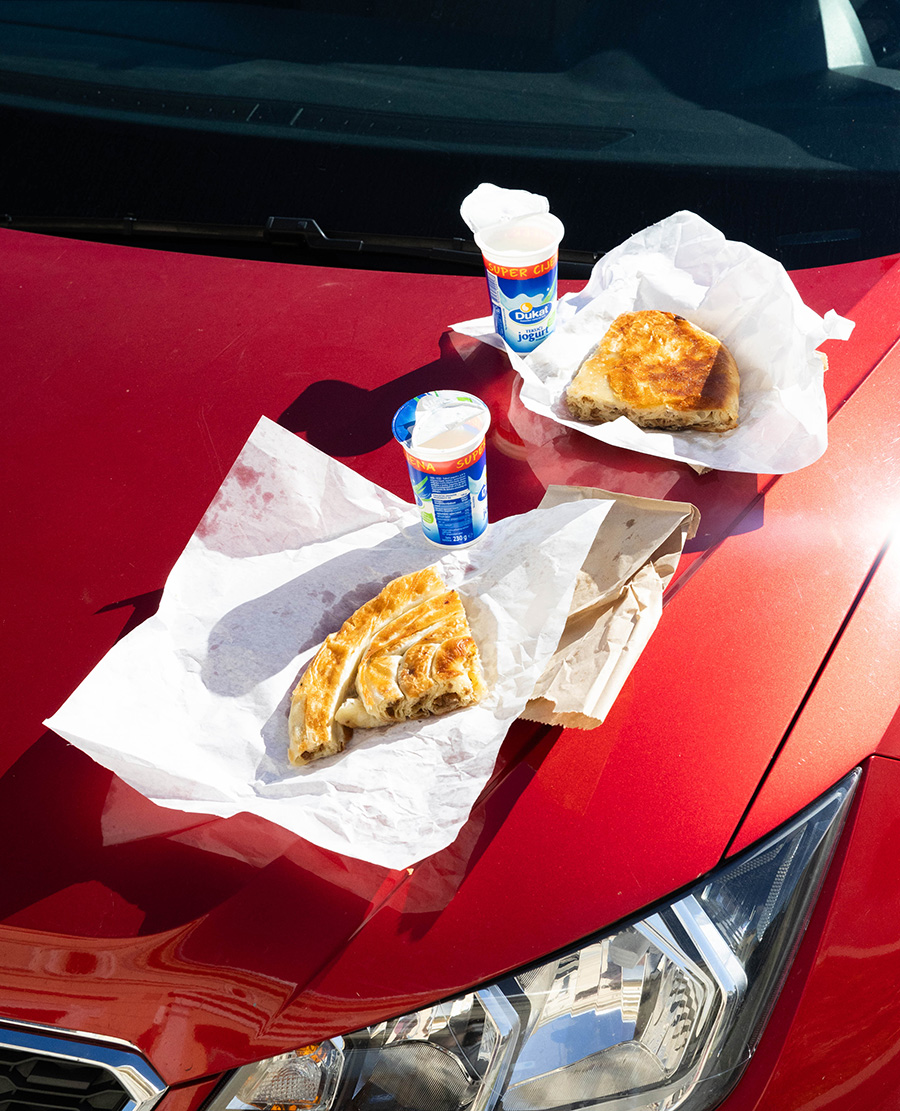
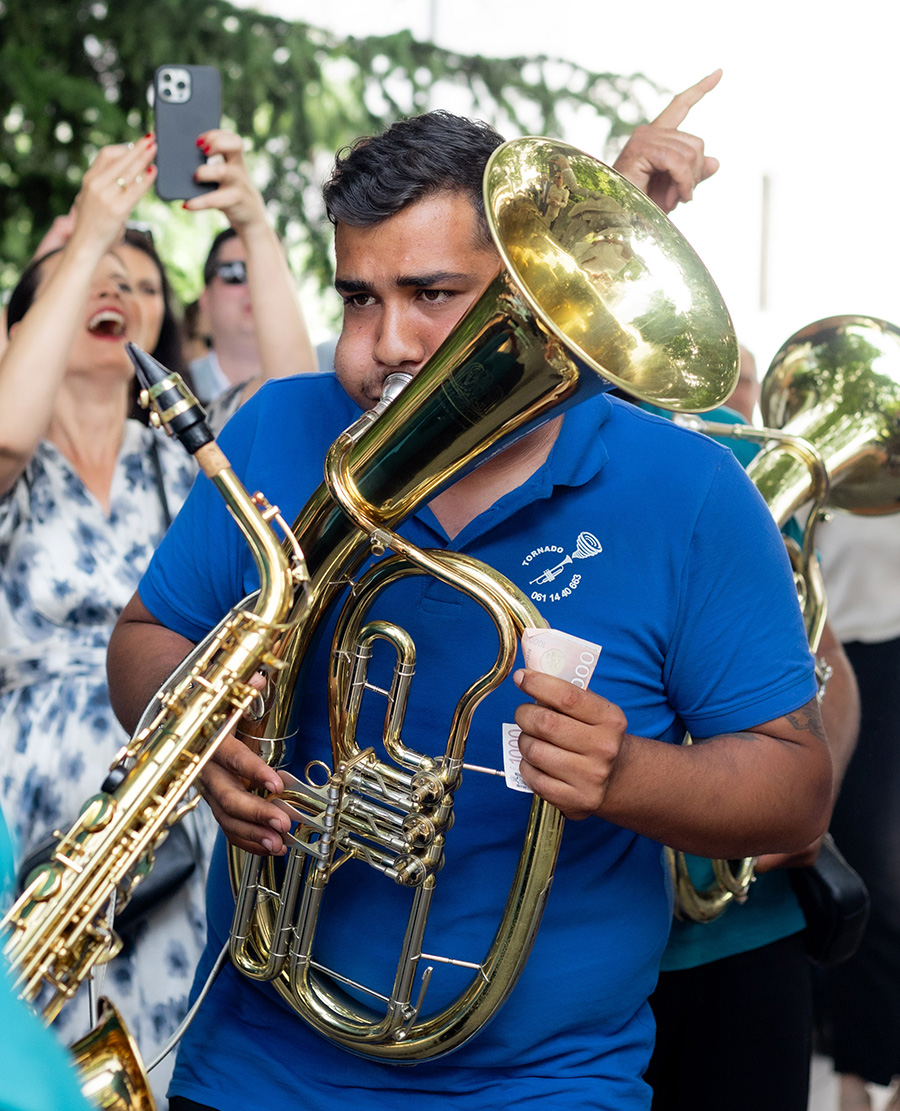
You set off as “a Croat and a Slovene travelling through the Balkans under the wing of a Belgian art academy”. How were you received by the people you met along the way?
Most encounters were marked by generosity and openness. People often invited us into their homes, shared meals, stories, and opinions. In some places, especially among older generations, a shared Yugoslav past created an immediate sense of familiarity. In others, national identity became more present and shaped how we were perceived. In most of our encounters, however, the distinctions emphasized in mainstream political discourse felt less present in everyday life. Instead, shared histories, language, and everyday experiences became more pronounced than the differences.
We also learned that our own presence could become part of the encounter. Two people walking around with cameras and carefully observing houses, gardens, and streets could sometimes look suspiciously official. More than once, we were jokingly mistaken for inspectors, which usually led to a laugh and opened the door to a conversation about the project.
Did you have a plan or a particular vision of how you wanted to portray the Balkans before you began your journey?
There were certain themes that interested us: memory, identity, borders, and traces of history, but we deliberately left space for the unexpected. We had a guiding framework, but many of the photographs emerged from situations we could not have anticipated. We were interested in approaching the Balkans without reinforcing the familiar imagery that so often defines them. As the work progressed, it became clear that those visual conventions are difficult to escape because the Balkans are already imagined in a specific way, and that this “visual memory” is hard to undo. Recognizing this tension changed the way we approached these conventions. Instead of trying to avoid them entirely, we allowed ambiguity and contradiction to remain visible within the images.
How would you describe the photographs that emerged from the project? What do they tell viewers about the Balkans?
The photographs exist somewhere between documentary and personal observation. Together they suggest that the Balkans cannot be reduced to a single narrative. The work is less about explaining the region and more about approaching its complexity through lived encounters. We understand photography as a subjective form, and the project inevitably reflects as much about us as it does about the places we moved through. What the work affirms, questions, or leaves unresolved, however, remains open to the viewer’s interpretation.
Many of your photographs are rooted in encounters and experiences that viewers cannot see. Could you share some of the stories behind the images?
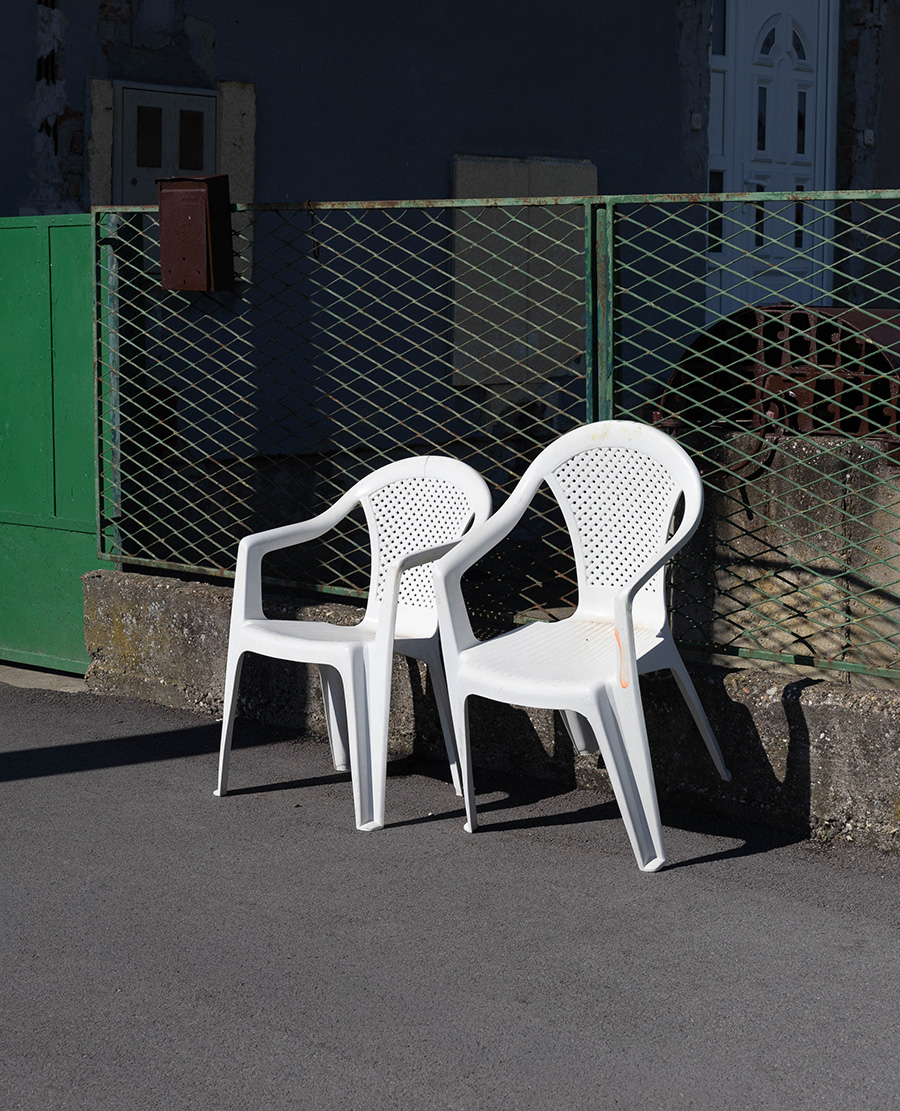
Many images indeed carry stories that remain invisible within the frame. Once, after a long day on the road, we were driving back to the apartment when Ivan noticed two empty plastic chairs placed in front of a house. It was a familiar Balkan scene: two chairs facing the street, as if a grandmother and her neighbour had only just stepped inside, leaving behind their daily observation post. Yet their absence transformed the scene. Where were they? What might be unfolding beyond the frame while they sat inside watching the evening news, unaware that the real story was happening outside?
Ivan almost asked Jaka to stop the car. Instead, hesitation took over. … it's too obvious. It's not worth stopping for. He'll probably think it's a cliché. Maybe I'm forcing meaning onto something that isn't there… The moment passed, and so did the chairs.
The following day, we drove along the same road in the opposite direction. The chairs were still there. Before Ivan could say a word, Jaka slowed the car and pointed at them. He began describing almost exactly the same photograph Ivan had imagined the day before. Ivan could only laugh. He confessed that he had noticed them already but had talked himself out of stopping. The image had spent a whole day existing only inside his head.
We both got out and photographed the scene from every possible angle. There was something reassuring in realizing that, independently, we had been drawn to the same image. At the same time, it was a reminder of how easily photographs disappear before they are ever made. It makes us wonder how many images both of us have already lost in exactly the same way, without ever knowing they were there.
Experiences like this shaped the project as much as the photographs themselves. They influenced not only what we photographed but also how we learned to trust each other's intuition. In that regard, the project is as much about collaboration and shared perception as it is about the images themselves.
In the introduction to your photo series, you end with the question : “Who, where and what is Balkan?” Did you find answers?
If anything, the journey made the question even more complicated. We realized that the Balkans mean different things to different people. They can be understood as a geographic term, a political label, a cultural identity, a projection imposed from the outside, or simply a “state of mind”. The same term can feel precise in one moment and insufficient in the next, depending on the place or encounter. Rather than resolving this, the project stays close to that constant reconfiguration. The question itself becomes part of the journey, instead of something to be answered at its end.
Jaka Teršek (born 1997 in Slovenia) and Ivan Tomašević (born 1989 in Croatia) are an artist duo based in Ljubljana and Berlin. Both artists hold a master’s degree in Visual Arts from the Royal Academy of Fine Arts Antwerp, where they are currently active as artistic researchers. Their work has been presented in international exhibitions and included in various publications.
ivan.tomasevic.photo@gmail.com
jaka.tersek@gmail.com